There is something profoundly magical about the Indian Himalayas in winter. When the monsoon greens fade and autumn browns deepen, winter wraps the upper reaches of Uttarakhand in an immaculate, heavy blanket of snow. The cascading waterfalls freeze mid-air, the sprawling bugyals (alpine meadows) turn into sheets of pristine white, and the crisp mountain air carries a silence that resets the soul.
If you are looking to trade city honking for crunching snow and starry night skies, Uttarakhand is the undisputed capital of winter trekking. Here is a curated guide to the absolute best winter treks in the region, featuring majestic landscapes, thrilling climbs, and memories that last a lifetime.
1. Kedarkantha Trek: The Crown Jewel of Winter Snow Treks
- Altitude: ~12,500 ft
- Duration: 6 Days
- Starting Point: Sankri
- Difficulty: Easy to Moderate
- Best Time: December to April
Ask any seasoned trekker about the ultimate winter trek in India, and nine times out of ten, Kedarkantha will top the list. Starting from the charming wooden village of Sankri, the trail takes you through dense pine and oak forests, open meadows, and frozen forest clearings.

Why it’s a must-do in winter:
- Juda-ka-Talab: A high-altitude lake that completely freezes over in peak winter, offering a surreal campsite right on top of thick ice.
- The Summit Push: The final climb to the Kedarkantha peak rewards you with a breathtaking 360-degree panorama of snow-laden giant peaks like Swargarohini, Bandarpoonch, and the Black Peak.
- Beginner Friendly: While it offers plenty of thrilling snow slopes, the gradual ascent makes it manageable for first-timers with decent physical fitness.
2. Brahmatal Trek: The Realm of Frozen Lakes and Forest Trails
- Altitude: ~12,200 ft
- Duration: 6 Days
- Starting Point: Lohajung
- Difficulty: Moderate
- Best Time: December to March
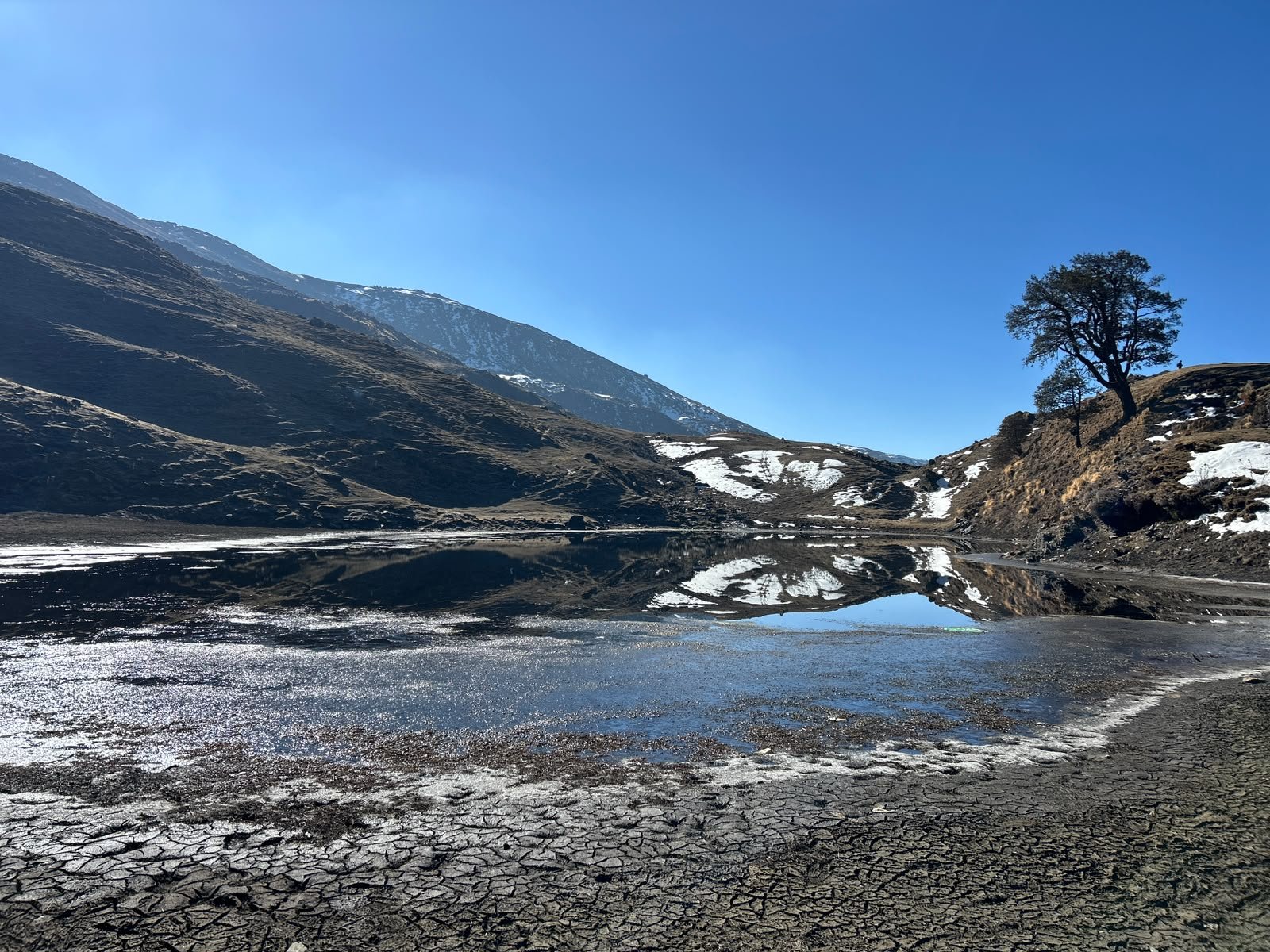
Brahmatal is often hailed as Kedarkantha’s quieter, more dramatic sibling. Located in the Chamoli district, this trek is famous for its stunning campsites, dense rhododendron forests, and sweeping views of towering Himalayan giants like Mt. Trishul and Nanda Ghunti.
Why it’s a must-do in winter:
- Twin High-Altitude Lakes: You get to camp by Bekaltal and visit the mystical Brahmatal Lake, both frozen solid and shimmering under the winter sun.
- Ridge Walking: The trail features a spectacular ridge walk on summit day. Walking on a narrow path of snow with deep valleys dropping on either side is an adrenaline rush like no other.
- Unmatched Mountain Views: The view of Mt. Trishul right across the valley feels so close you almost feel you can reach out and touch it.
3. Chopta Chandrashila Tungnath Trek: The Spiritual Snow Odyssey
- Altitude: ~13,123 ft (Chandrashila Summit)
- Duration: 3 to 4 Days
- Starting Point: Chopta (via Sari / Deoriatal)
- Difficulty: Easy to Moderate
- Best Time: December to March
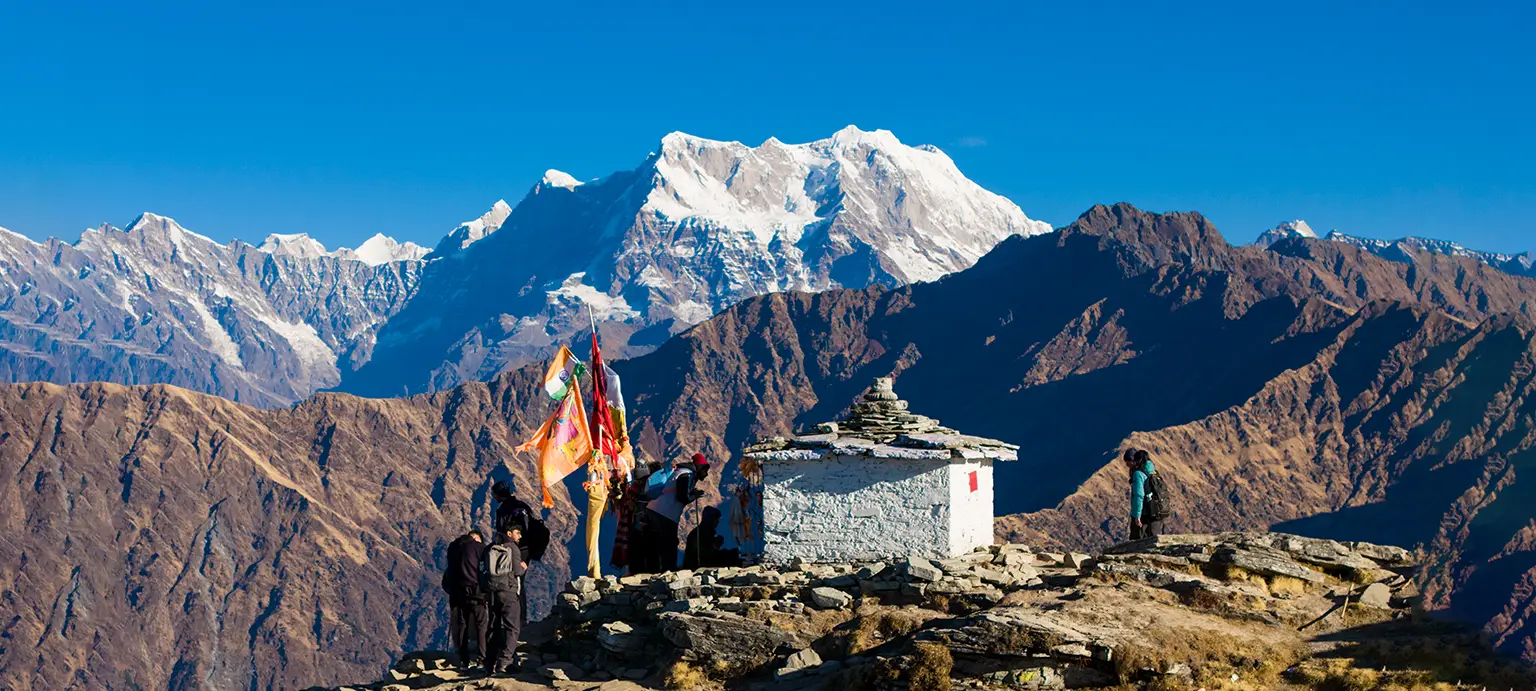
If you are short on time but want a heavy dose of high-altitude adventure and history, the Chopta-Chandrashila trek is unmatched. Starting from Chopta—often called the "Mini Switzerland of India"—the trail leads past the ancient Tungnath Temple, the highest Shiva temple in the world.
Why it’s a must-do in winter:
- Accessible High Altitude: It is one of the few places that allows trekkers to safely reach above 13,000 feet in peak winter without requiring a massive expedition setup.
- Architectural Wonder in Snow: Seeing the ancient stone structure of Tungnath buried halfway in snow is an ethereal sight.
- The Sunrise from Chandrashila: The final push from the temple to the Chandrashila peak brings you to a summit view encompassing Nanda Devi, Chaukhamba, Kedar Dome, and Gangotri ranges bathed in golden morning light.
- Bonus Deoriatal Lake: Most itineraries include a stop at Deoriatal, where crystal-clear waters mirror the massive Chaukhamba massif.
4. Har Ki Dun Trek: The Valley of Gods in Winter's Grasp
- Altitude: ~11,675 ft
- Duration: 7 Days
- Starting Point: Sankri (via Taluka)
- Difficulty: Easy to Moderate
- Best Time: December to March
Har Ki Dun is a cradle-shaped hanging valley steeped in myth and legendary folklore—believed to be the path taken by the Pandavas as they ascended to heaven. While popular in autumn and spring, doing this trek in winter transforms the ancient wooden villages and frozen riverbeds into a secluded alpine wonderland.

Why it’s a must-do in winter:
- Cultural Immersion: You trek past centuries-old wooden villages like Osla and Taluka, where traditional Garhwali architecture stands out starkly against deep winter snow.
- The Valley Landscape: Unlike peak summit climbs, Har Ki Dun is a valley walk. You spend hours walking through wide-open glacial valleys enclosed by massive peaks like Swargarohini.
- Peace and Solitude: Because it is a longer trail than Kedarkantha, it sees fewer crowds in winter, offering a deeply immersive wilderness experience.
Essential Tips for Winter Trekking in Uttarakhand
- Layering is Key: Temperatures at night frequently drop well below freezing (ranging from -5°C to -15°C). Pack a reliable down/feather jacket, thermal inner layers, fleece, waterproof outer shells, and good-quality woolen gloves and beanies.
- Footwear Matters: Invest in sturdy, ankle-supportive waterproof trekking boots. Gaiters and microspikes (often provided by trekking operators) are essential when navigating hard-packed snow trails.
- Hydration and Fuel: Carry a thermos with warm water. Cold weather can trick your body into thinking it’s not thirsty, but dehydration happens twice as fast at high altitudes.
- Acclimatization: Never skip your hydration goals or pace yourself too hard on Day 1. Acute Mountain Sickness (AMS) doesn't care how fit you are, so listen to your guide and ascend steadily.
Whether you choose the snowy ridge of Brahmatal, the spiritual summit of Chandrashila, or the pine-scented trails of Kedarkantha and Har Ki Dun, Uttarakhand’s winter trails promise a transformative journey into the heart of the white Himalayas.
View our popular treks - Click here